
Discover top agentic ai startups revolutionizing enterprise ops, vertical industries, and agentic infrastructure from technical founders.
Date
05/05/2026
Author
James Reed
THE BEST AGENTIC AI STARTUPS TO WATCH IN 2026
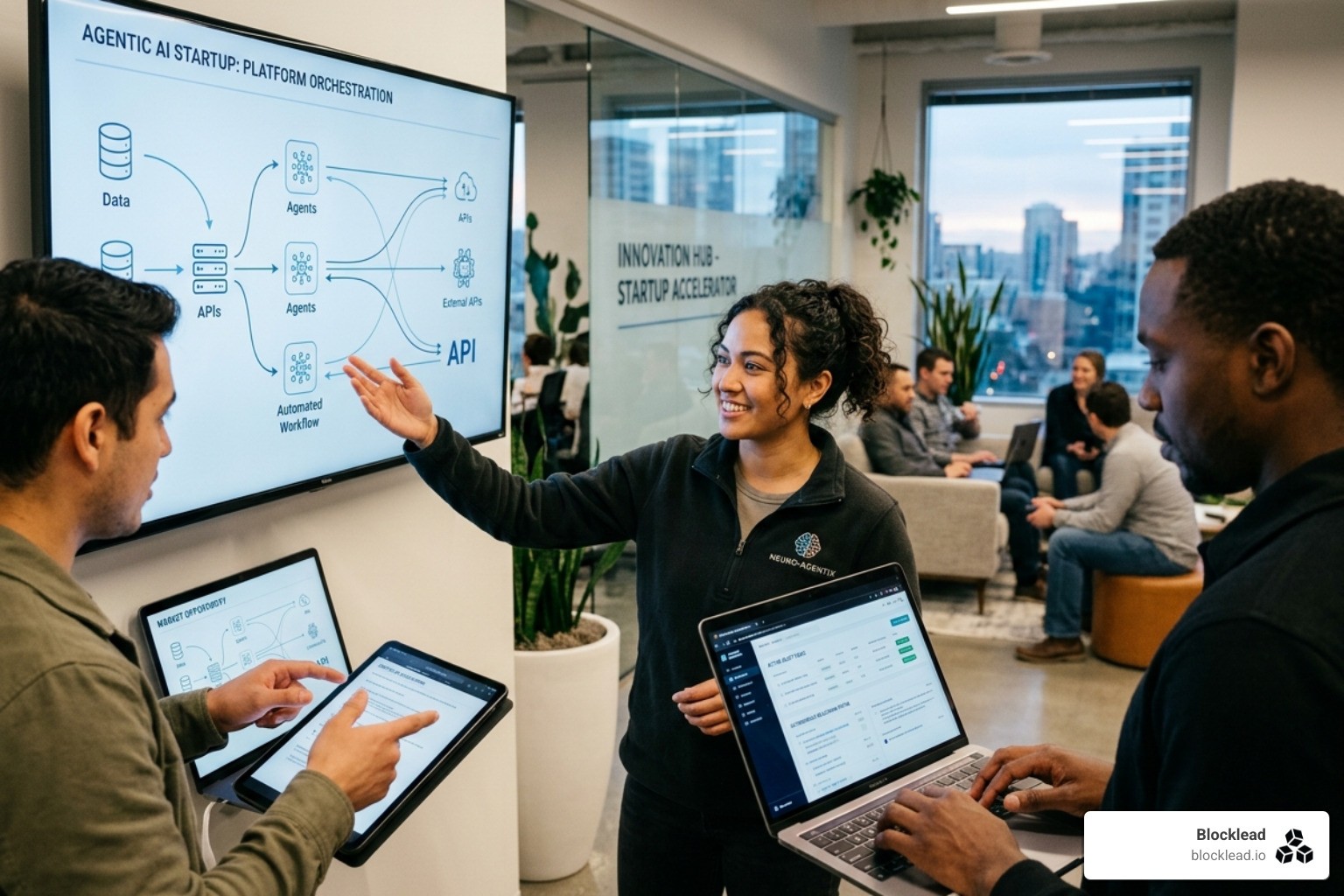
Agentic AI startups are among the fastest-growing companies in tech right now. Here are the top ones making waves in 2026:
Company | Focus Area | Stage |
|---|---|---|
Adept | Enterprise workflow automation | Growth |
n8n | Open-source agent orchestration | Growth ($2.5B valuation) |
Agentica | Industry-specific AI architectures | Mid-Stage |
Quotient AI | Agent monitoring & reinforcement learning | Early-Stage |
Dedalus Labs | Persistent compute infrastructure for agents | Early-Stage |
Torq | Security workflow automation | Growth ($192M raised) |
Legion | Workforce management agents | Growth ($195M raised) |
Every enterprise software vendor now claims to offer "agentic AI." But most of what gets that label is just a fancier chatbot.
Real agentic AI is different. Instead of simply responding to a prompt, an agentic system can reason about a goal, plan the steps needed to reach it, and execute actions across multiple tools and systems — on its own, with minimal human input.
Think of the difference this way: a chatbot answers your question. An AI agent books your flight, updates your CRM, sends the confirmation email, and flags any exceptions — all without you asking twice.
This shift is bigger than it sounds. By 2028, Gartner projects that 33% of enterprise software applications will include agentic AI, up from less than 1% in 2024. Over 40% of enterprise innovation initiatives are expected to include autonomous agents by 2027.
The startup ecosystem is moving fast to meet that demand. The Agentic List 2026 screened nearly 2,000 private companies and recognized 120 leaders — spanning everything from customer experience agents to AI infrastructure, legal automation, and healthcare.
This article breaks down the technical founders and startups at the frontier of this space, so you know exactly who is building what.
THE EVOLUTION OF AGENTIC AI STARTUPS: FROM CHATBOTS TO AUTONOMOUS ORCHESTRATORS
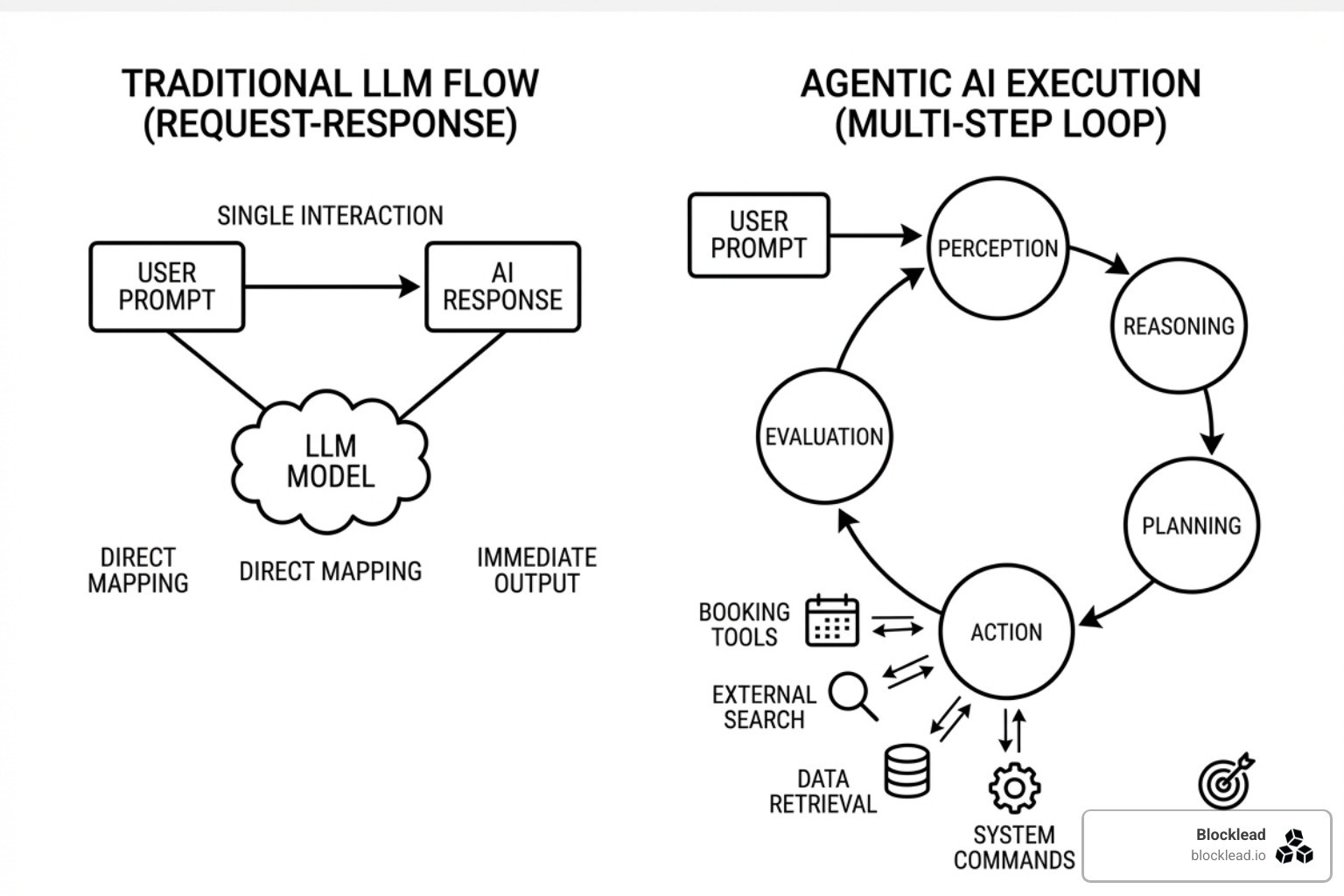
If you feel like "agentic AI" is the new "cloud" or "blockchain" in terms of marketing hype, you aren't alone. However, beneath the buzzwords lies a fundamental shift in how software works. We are moving from Generative AI (which creates content) to Agentic AI (which performs work).
Traditional LLMs are like very well-read librarians; they can tell you how to do something, but they can't actually do it for you. Agentic systems, on the other hand, are more like digital employees. They possess the "agency" to interact with the world. This evolution is why Why AI Infra Startups Are the Most Important Bets in Tech Right Now is a core thesis for us at Blocklead. Without the right plumbing, these agents are just brains in a jar.
The Core Capabilities of Agents
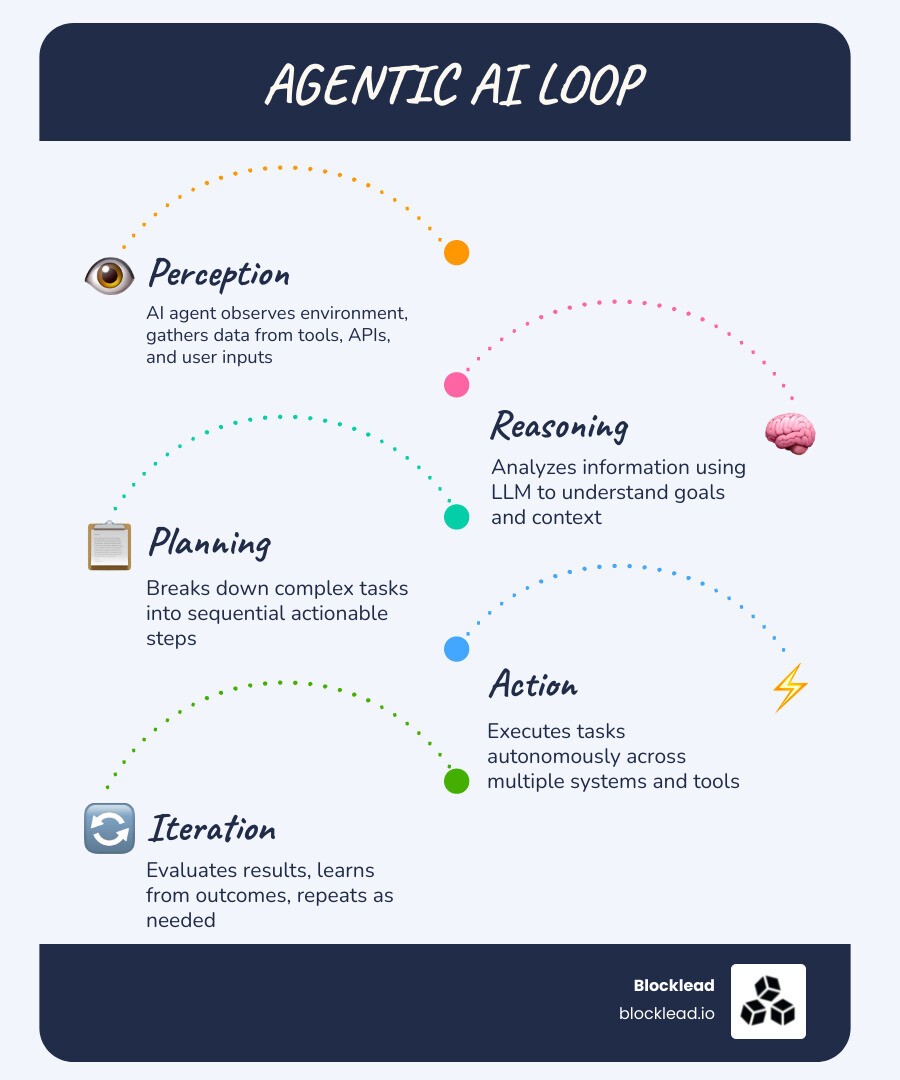
What actually makes an AI system "agentic"? It comes down to four key characteristics:
Perception: The ability to "see" and understand its environment (APIs, UI elements, documents).
Reasoning: Breaking down a complex goal ("Onboard this new vendor") into smaller, logical steps.
Planning: Determining the most efficient sequence of actions and predicting potential roadblocks.
Action: Actually clicking buttons, writing code, or calling APIs to execute the plan.
According to Gartner projections on enterprise innovation, by 2028, 15% of day-to-day work decisions will be made autonomously by these systems. To help you visualize the difference, we've broken it down in the table below:
Feature | Generative AI (Chatbots) | Agentic AI (Agents) |
|---|---|---|
Primary Output | Text, images, or code | Completed tasks and workflows |
Interaction | Human-led (Prompt -> Response) | Autonomous (Goal -> Execution) |
Tool Usage | Limited (mostly internal knowledge) | Extensive (browsers, APIs, ERPs, CRMs) |
Planning | Single-step response | Multi-step reasoning and self-correction |
Feedback Loop | Requires human to refine prompt | Self-corrects based on tool outcomes |
Leading agentic ai startups in Enterprise Operations
The first wave of agentic ai startups is tackling the "messy middle" of enterprise operations—the repetitive, soul-crushing tasks that keep teams from doing high-value work.
Adept: AI that powers the workforce is a prime example. While many companies focus on text, Adept builds models that understand how to use software. Their agents can look at a screen, identify buttons, and execute workflows across hundreds of different websites and internal tools. In testing, Adept's planning capabilities reached 88% accuracy, significantly outperforming standard GPT-4 models.
Another major player is Comy AI, which focuses on "crews" of agents. Instead of one monolithic bot, Comy AI allows you to build a team where a "CEO agent" decomposes a goal and delegates tasks to specialized "worker agents." This swarm intelligence approach is becoming a standard for complex operations like supply chain management or multi-party document approvals.
At Blocklead, we emphasize that the true differentiator isn't just the AI model; it's the orchestration. As noted in The No-Nonsense Guide to Building Applied AI Systems, the "work around the work"—routing, follow-ups, and data validation—is where the real ROI lives.
Specialized agentic ai startups for Vertical Industries
We are also seeing a massive trend toward hyper-verticalization. Instead of general-purpose assistants, founders are building agents that are "experts" in specific domains.
Legal & Compliance: Startups are reducing legal discovery timelines from six weeks to ten days by using agents that can reason through thousands of documents simultaneously.
Healthcare: Specialized agents are now handling 89% of clinical queries autonomously in telehealth environments, using "safety gates" to ensure they never make a medical decision without human oversight.
Logistics: Y Combinator-funded startups like those found in the AI Assistant Startups funded by Y Combinator (YC) 2026 list are automating carrier operations and prior authorizations in medical clinics.
Finance: Companies like Agentica provide 17 "battle-tested" architectures for financial institutions, helping reduce portfolio bias by 67% through multi-perspective AI analysis.
The Top startups in Agentic AI in Europe (Jan, 2026) also highlight a growing ecosystem in Germany, the UK, and France, focusing heavily on industrial automation and GDPR-compliant sovereign agents.
THE TECHNICAL FRONTIER: INFRASTRUCTURE AND ENGINEERING FOR AGENTS
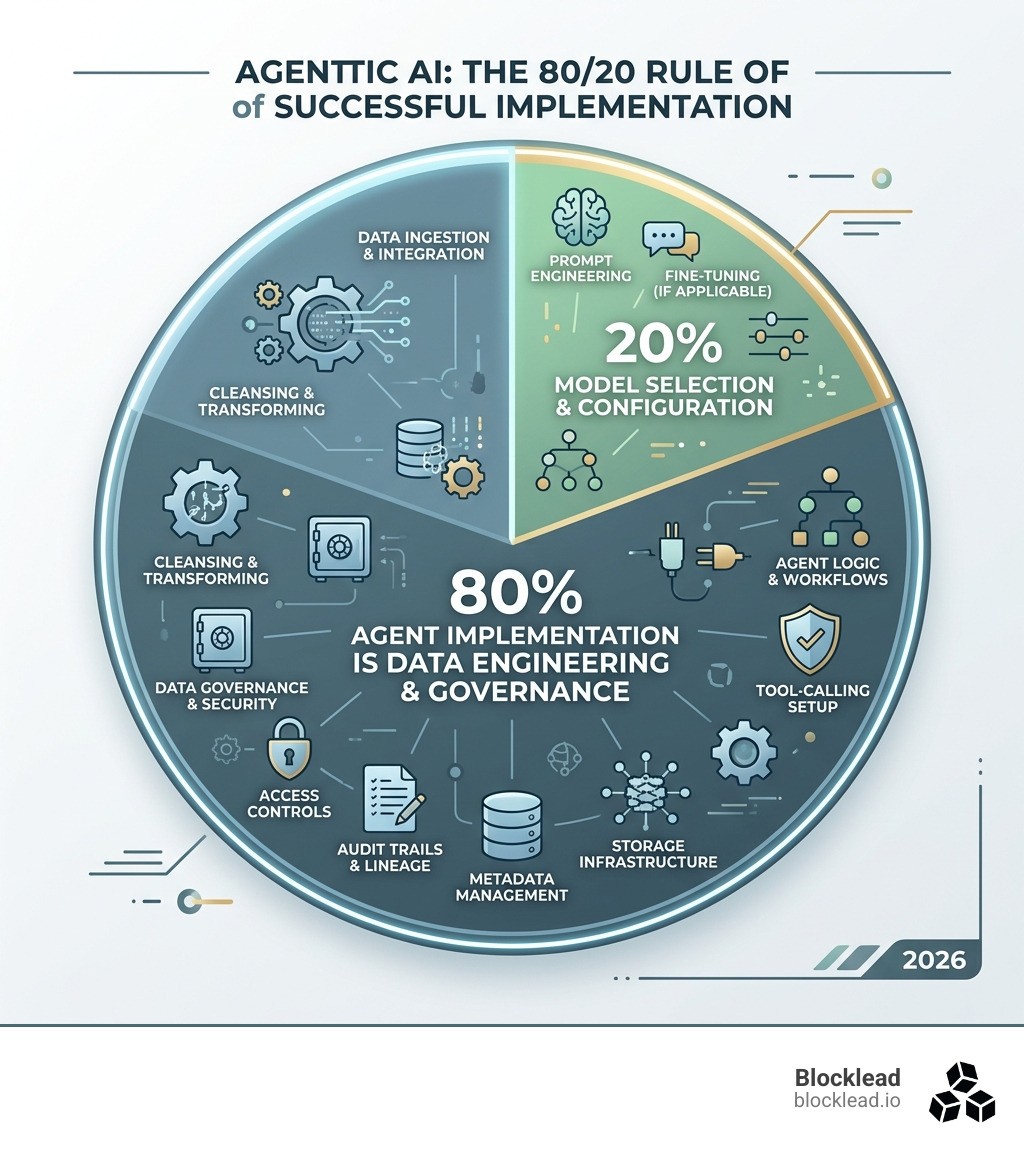
Building an agent is easy. Building an agent that doesn't "hallucinate" its way into a PR disaster is hard. This is where the infrastructure layer comes in.

The Problem of "Cold Starts" and Persistence
Traditional cloud infrastructure isn't built for agents. Most containers "sleep" to save costs, but an agent needs to be ready to act in milliseconds. Fastest Persistent Computer for Agents | Dedalus Labs is solving this by providing full Linux machines that start in under 250ms.
Unlike standard Docker containers, Dedalus machines offer persistent filesystems and memory. This means an agent doesn't have to "re-learn" or re-install its tools every time it wakes up. This kind of infrastructure is vital for How Co-Funding Accelerates AI Startup Success because it allows early-stage teams to scale without massive DevOps overhead.
Agentic Engineering and Superintelligence
How do we move from "helpful" agents to "expert" agents? The answer lies in Reinforcement Learning (RL).
Quotient AI • The Engine of Agentic Superintelligence is building the "Limbic system" for AI. Their platform doesn't just monitor agents; it uses production data to fine-tune them in real-time. By extracting "reward signals" from agent traces—basically seeing what worked and what didn't—Quotient helps models become 14% more accurate than frontier models while lowering inference costs by 80%.
Core components of the modern agentic stack include:
Memory & Context: Storing long-term user preferences and past interactions.
Tool-Calling Engines: Securely connecting agents to APIs and databases.
Observability & Tracing: Seeing exactly "why" an agent made a specific decision.
Safety Gates: Hardcoded rules that prevent an agent from taking high-risk actions (like transferring $1M) without a human thumbprint.
FREQUENTLY ASKED QUESTIONS ABOUT AGENTIC AI
What is the difference between Generative AI and Agentic AI?
Generative AI focuses on the creation of content (text, images). Agentic AI focuses on task completion. While Generative AI might write a draft of an email, an Agentic AI will identify who needs the email, find their contact info, send it, and schedule a follow-up if they don't reply within 48 hours.
What are zero-person startups?
A "zero-person startup" is a business model enabled by agentic AI where the core operations—marketing, sales, customer support, and even some engineering—are handled by autonomous agents. While "zero-person" is often hyperbole, it refers to companies that can reach millions in revenue with only 1-2 human founders acting as "directors" of an AI workforce. In 2026, we are seeing the first "one-person unicorns" become a mathematical possibility.
How do I evaluate an agentic AI vendor for my business?
When looking at agentic ai startups, don't just look at the AI model they use. Evaluate them based on:
Integration Depth: Can they actually talk to your specific tools (Salesforce, SAP, etc.)?
Human-in-the-loop (HITL): How easy is it for a human to step in when the agent is confused?
Governance: Do they provide a full audit trail of every action the agent took?
Exception Handling: What happens when a tool returns an error? Does the agent give up, or does it try a different path?
CONCLUSION
The transition from "AI as a tool" to "AI as a teammate" is the defining tech trend of 2026. For founders, the opportunity isn't just in building better models, but in building the orchestration, safety, and infrastructure that makes those models useful in the real world.
At Blocklead, we don't just invest in this future—we build it. As a practitioner-led venture studio, we co-found startups from day zero, providing the technical co-founders, capital, and operational "playbook" needed to scale from a prototype to a Series A leader. We understand the "messy reality" of enterprise AI because we've been in the trenches building it.
If you're a technical founder ready to build the next generation of autonomous systems, check out Inside the AI Venture Studio Playbook to see how we work. Ready to take the next step? Transform your operations with Blocklead services and let's build the future of agentic AI together.